
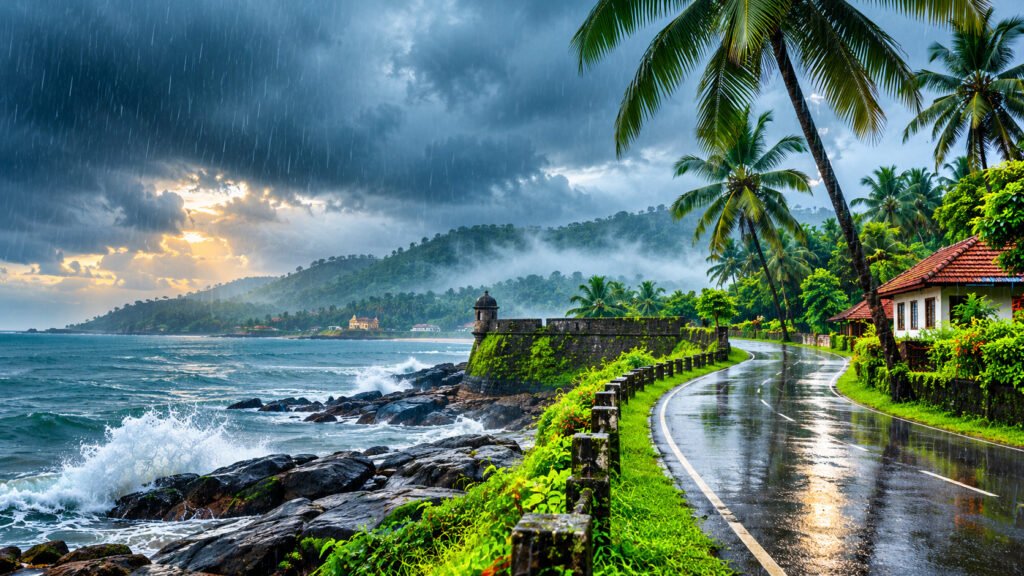
Monsoon in Mangalore runs from June through September, with rainfall exceeding 3,500 mm. The city’s beaches, parks, temples and Western Ghat foothills turn green. Visit Panambur Beach for sea views, Pilikula Nisargadhama for family outings, Sultan Battery for river-meets-sea photography, and take day trips to Kudremukh or Agumbe. Pack waterproof gear.
Mangalore receives more rain in four months than most Indian cities receive in a year. The southwest monsoon transforms this coastal Karnataka city into a green, mist-covered landscape where rivers swell, waterfalls appear on hillsides that were dry in March, and the Arabian Sea turns dramatic grey. This Mangalore monsoon travel guide covers places to visit in Mangalore during monsoon, things to do between rain spells, nearby excursions, what to eat and how to stay safe.
Why Visit Mangalore During Monsoon?
The monsoon season, June to September, changes Mangalore in four specific ways that appeal to different types of travellers:
The landscape
Dry brown hillsides turn green within two weeks of the first rain. The Netravathi and Gurupura rivers, which shrink to trickles by May, fill to their banks and beyond. Waterfalls that do not exist in winter appear along the Western Ghats. The city’s parks, particularly Kadri and Pilikula, look completely different from their summer versions.
The sea
The Arabian Sea during monsoon is not calm. Waves crash higher, the colour shifts from blue-green to deep grey, and the wind carries salt spray hundreds of metres inland. For photographers, this is the most dramatic version of Mangalore’s coastline. For swimmers, it is the most dangerous: beaches remain open for walks but not for water activities.
The food
June to September is peak season for prawns, mackerel, sardines and squid along the Mangalore coast. Restaurants serve the freshest catches of the year. Monsoon-specific street food, particularly Goli Baje (deep-fried dough fritters) and hot cups of filter coffee, pairs with rainy evenings the way no other season’s food does.
The cost
Hotel rates in Mangalore drop by 20% to 40% during monsoon compared to the October-to-February peak season. Flights and train tickets are easier to book. The tourist crowds that fill Panambur Beach on winter weekends are absent.
Best Places to Visit in Mangalore During Monsoon
Mangalore beaches in monsoon look nothing like their winter postcards. The sand is darker, the sky is grey, and the waves are high. That contrast is the point. Mangalore’s monsoon attractions split into two categories: places that are beautiful because of the rain (beaches, parks, river viewpoints) and places that work well despite the rain (temples, chapels, museums). Here are six that cover both.
1. Panambur Beach
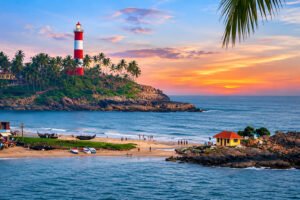
Panambur Beach is the most visited beach in Mangalore and remains accessible during monsoon for walking and photography. The beach stretches for about 2 km, and during monsoon the grey skies, rough surf and empty sands create a photographic atmosphere that the crowded winter version cannot match.
What to do: Walk along the shoreline during low tide. Watch the fishing boats come in. Photograph the waves crashing against the groyne walls. Street food stalls near the parking area sell hot corn, Goli Baje and tea.
Safety: Do not enter the water. Lifeguards at Panambur advise against swimming during monsoon. Strong waves and rip currents are unpredictable. Keep children away from the waterline during high tide.
When to visit: Late afternoon, when the rain often pauses and the light is softer. Avoid early mornings when tides are typically highest.
2. Tannirbhavi Beach
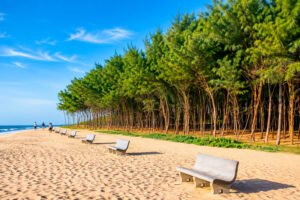
Tannirbhavi is quieter than Panambur and sits across the Gurupura River from Sultan Battery. During monsoon, the beach is windswept and largely empty, which appeals to visitors who want a peaceful coastal walk without crowds.
What to do: Walk along the beach. The ferry from Sultan Battery to Tannirbhavi may be suspended during heavy rain; check with the jetty before planning a crossing. The surrounding coconut groves and the river-meets-sea confluence are worth the trip even if the ferry is not running.
Visitor tip: Drive or take an auto-rickshaw to Tannirbhavi via the road route if the ferry is not operating. The beach access road can waterlog during heavy rain; ask locals about conditions before heading out.
3. Pilikula Nisargadhama
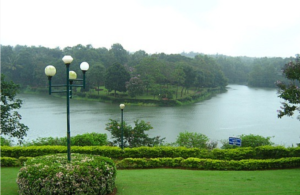
Pilikula is Mangalore’s largest nature and recreation campus, spread across 150 hectares about 12 km from the city centre. It includes a zoo (Biological Park), a lake, a botanical garden, a heritage village, a science centre and a golf course.
Why monsoon works here: The botanical garden and the lake are at their greenest. The zoo is less crowded than on winter weekends, and the animals are more active in cooler, overcast weather. Children enjoy the science centre, which is fully indoor.
Recommended visit: Half a day (3 to 4 hours) for the zoo, lake and botanical garden. A full day if you include the heritage village and science centre. Entry fees apply for each section. Carry an umbrella; much of the zoo walkway is open-air.
4. Sultan Battery
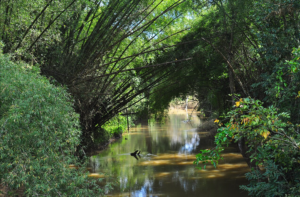
Sultan Battery is a historic watchtower built in the 18th century, located at the point where the Gurupura River meets the Arabian Sea. During monsoon, the river is in full flow and the sea is rough, creating a dramatic confluence that is one of the most photographed scenes in coastal Karnataka.
What to do: Photograph the river-sea confluence. Walk around the battery ruins. Watch the fishing boats navigate the rough waters. The area is compact; 30 to 45 minutes is enough.
Nearby: The ferry jetty to Tannirbhavi Beach is adjacent. The Bengre area, a narrow spit of land between the river and the sea, is a short auto-rickshaw ride away and offers a different perspective on the monsoon coastline.
5. Kadri Park and Kadri Manjunatha Temple
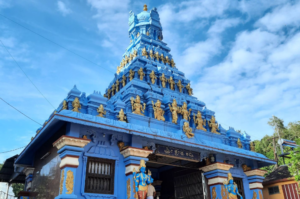
Kadri Park sits on a hillside in central Mangalore and is one of the city’s oldest green spaces. The park’s trees, paths and lawns become lush during monsoon. The Kadri Manjunatha Temple, an ancient Shiva temple at the top of the park, dates to at least the 10th century and houses bronze statues of Lokeshwara that art historians consider significant.
What to do: Walk through the park in the morning when the rain is lighter. Visit the temple. The Kadri hilltop offers a panoramic view of the city on days when the clouds lift. The Gomukha spring on the temple premises flows year-round but is strongest during monsoon.
Family-friendly: Yes. The park has paved pathways, seating areas and a children’s section. Combine it with a visit to family-friendly activities in Mangalore for a full day plan.
6. St. Aloysius Chapel
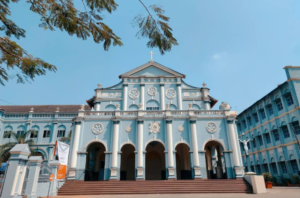
St. Aloysius Chapel, built in 1885 on Lighthouse Hill, contains wall and ceiling paintings by the Italian Jesuit artist Antonio Moscheni. The 20 oil-on-canvas panels cover the chapel’s interior almost entirely and are often compared to the Sistine Chapel in scale of artistic ambition.
Why monsoon works: The chapel is fully enclosed, so rain does not affect the visit. On a day when outdoor plans are washed out, this is a 30 to 45 minute indoor experience that is worth the visit for the artwork alone. Photography of the interiors is restricted; check the notice at the entrance.
Visitor etiquette: Maintain silence inside the chapel. Dress modestly (shoulders and knees covered). The chapel is an active place of worship, not a museum.
Things to Do in Mangalore in Rainy Season
Beyond the main attractions, monsoon in Mangalore opens up activities that do not exist or do not feel the same in other seasons:
Eat monsoon seafood
Mangalore’s fish markets (Central Market near Hampankatta, Bunder fish market) stock the freshest catches between June and September. Restaurants to try: Machali, Narayana and Shetty Lunch Home for fish curry and rice; Pabbas and Ideal Ice Cream for Gadbad. For a detailed food guide, see the street food guide.
Walk in the rain
Mangalore rain is warm. An evening walk along Panambur Beach, through Kadri Park or along the old port area during a steady drizzle is a specific Mangalore monsoon experience. Carry waterproof footwear; the city’s roads and footpaths puddle quickly.
Photograph the coast
The monsoon light, grey skies and rough sea create conditions that professional and hobby photographers travel to Mangalore specifically to capture. Sunrise at Sultan Battery, waves at Someshwar Beach, and mist rising over the Netravathi River are three shots worth planning for.
Visit temples and heritage sites
Mangalore has over a dozen significant temples, churches and mosques. Kudroli Gokarnanatheshwara Temple (the Navaratri festival temple), Mangaladevi Temple (from which the city gets its name), Rosario Cathedral and Ullal Dargah are all indoor or sheltered visits that work on rainy days. The Karnataka Tourism portal lists heritage circuits and pilgrimage routes across the coastal belt.
Shop for local products
Hampankatta market area, the old port, and shops along Car Street sell Mangalore tiles, Bidriware, sandalwood products, local pickles and cashew. Shopping is an indoor activity that fills a rainy afternoon.
Take a ferry ride
When conditions permit, the Sultan Battery to Tannirbhavi ferry operates during lighter monsoon days. The 10-minute crossing on the Gurupura River during monsoon, with green banks on both sides and the sea ahead, is a short and memorable experience. Check operating status before planning.
Visit Someshwar Beach
Someshwar, about 8 km south of the city, is less visited than Panambur but equally dramatic in monsoon. The Someshwara Temple sits at one end of the beach, and rocky formations along the shore create natural pools during low tide. The beach is rougher than Panambur; the same no-swimming rule applies. Auto-rickshaws from the city cost Rs 150 to Rs 200 one way.
Tourist Places Near Mangalore During Monsoon
The Western Ghats begin within an hour’s drive of Mangalore, and the monsoon transforms them into some of the greenest landscapes in peninsular India. Here are six day-trip and weekend-trip options:
| Destination | Distance | Monsoon Highlight | Recommended Duration |
|---|---|---|---|
| Kudremukh | 95 km | Monsoon trekking through the Kudremukh National Park; green shola grasslands | Full day or overnight |
| Agumbe | 98 km | Heaviest rainfall in South India; Barkana and Sirimane waterfalls in full flow | Full day |
| Dharmasthala | 75 km | Sri Manjunatha Temple, Manjusha Museum, vintage car museum; sheltered from heavy rain | Half day to full day |
| Karkala | 52 km | Gomateshwara statue, Ramasamudra Lake, paddy fields; green and misty | Half day |
| Bekal Fort | 115 km | Largest fort in Kerala; sea views, rain on the ramparts, dramatic sky | Half day |
| Udupi | 58 km | Krishna Temple, Malpe Beach, St. Mary’s Island (island closed during monsoon, but Malpe coastline is dramatic) | Full day |
Before planning a hill trip from Mangalore during monsoon, check weather forecasts on the India Meteorological Department’s Mangalore page. The Shiradi Ghat and Charmadi Ghat roads close temporarily after heavy landslides, and forest department trekking permits for Kudremukh can be suspended during red alerts.
Kudremukh: The Kudremukh peak trek (accessible from Mullodi village) is at its most scenic during monsoon, but the trail is slippery and leeches are common. Carry leech socks, waterproof boots and a rain jacket. The forest department issues trekking permits; check availability before the trip. The India Meteorological Department publishes district-level rainfall warnings that are useful for planning hill trips.
Agumbe: Known as the Cherrapunji of the South, Agumbe receives some of the highest rainfall in peninsular India. The drive from Mangalore passes through paddy fields and palm groves. Barkana Falls (259 m) and Sirimane Falls are both accessible during monsoon, though the approach trails can be muddy.
Dharmasthala: The Sri Manjunatha Temple complex is one of the most visited pilgrimage sites in coastal Karnataka. The Manjusha Museum houses folk art, coins and sculptures. The vintage car museum has over 40 vehicles. All three are indoor or sheltered, making Dharmasthala a reliable monsoon day trip.
Karkala: The 42-foot Gomateshwara (Bahubali) monolith, Ramasamudra Lake and the surrounding paddy fields are particularly photogenic during monsoon. The 52 km drive from Mangalore takes about 90 minutes through winding roads and green valleys.
Bekal Fort: Located in Kasaragod district, Kerala, Bekal Fort sits on a headland overlooking the Arabian Sea. During monsoon, waves crash against the fort’s seawall and the ramparts offer dramatic views of rain sweeping in from the sea. The fort is well-maintained and can be explored in one to two hours.
Udupi: The Krishna Temple in Udupi is one of the most important Vaishnavite pilgrimage sites in South India. Malpe Beach during monsoon mirrors the Panambur experience: dramatic waves, empty sands, photography opportunities. St. Mary’s Island is typically closed to visitors during monsoon due to rough seas. For more routes, see the Mangalore to Murudeshwar and Chikmagalur to Mangalore guides.
Monsoon Travel Tips for Mangalore
What to pack
Rain jacket or poncho (more practical than an umbrella in wind), waterproof sandals or shoes, a waterproof phone pouch, quick-dry towels, insect repellent and a change of clothes in a waterproof bag. Leave leather shoes and white clothes at home.
Getting there
Mangalore International Airport (IXE) operates throughout monsoon. Flights from Bangalore, Mumbai, Hyderabad, Dubai and Doha are available; expect occasional delays in heavy rain. Mangalore Junction railway station connects to Bangalore (overnight train), Mumbai (Konkan Railway), Goa and Kerala. KSRTC and private buses run to Bangalore (350 km, 7 to 8 hours via Shiradi Ghat or Charmadi Ghat).
Road conditions
The Shiradi Ghat (NH75 Bangalore to Mangalore) and Charmadi Ghat routes are scenic but prone to landslides during heavy rain. Check road status on KSRTC or traffic police social media before starting a road trip. The coastal NH66 (north to Udupi, south to Kerala) is generally safer.
Local transport
Auto-rickshaws are the primary local transport. Use metered autos or negotiate fares before starting. Ride-hailing apps (Ola, Uber, Rapido) work in the city. For day trips, hire a car through a local travel agency or rent a self-drive vehicle.
Accommodation
Hotel rates drop 20% to 40% during monsoon. Areas to stay: Hampankatta and Falnir (central, close to restaurants and temples), Kadri (near the park), and Panambur (near the beach). Budget hotels start from Rs 800 to Rs 1,200 per night; mid-range options from Rs 2,000 to Rs 4,000.
Safety
No swimming at any beach. Avoid standing under trees during lightning. Carry a small first-aid kit. If driving to hill stations, start early and return before dark. Waterlogged roads in the city clear within an hour or two after rain stops.
Frequently Asked Questions
When does the monsoon season start in Mangalore?
The southwest monsoon typically arrives in Mangalore in early June and continues through September. July and August receive the heaviest rainfall. By October, the rain reduces significantly and the post-monsoon period begins.
Is it safe to visit Mangalore beaches during monsoon?
Beaches are open for walks, photography and enjoying the sea views. Swimming is not safe during monsoon because of strong waves, unpredictable currents and rough sea conditions. Lifeguards at Panambur Beach advise visitors to stay out of the water during heavy rain and high tide.
What should I pack for a monsoon trip to Mangalore?
Pack a compact rain jacket or poncho, waterproof footwear (rubber sandals or waterproof shoes, not leather), a small umbrella, a waterproof phone pouch, a quick-dry towel, and a change of clothes in a waterproof bag. Insect repellent is useful for evenings. Leave white or light-coloured clothes at home; they stain easily on wet roads.
Which nearby hill stations can I visit from Mangalore during monsoon?
Kudremukh (95 km, monsoon trekking), Agumbe (98 km, waterfalls and heavy rainfall), Chikmagalur (150 km, coffee estates and greenery), Sakleshpur (130 km, misty trails) and Kodachadri (165 km, Western Ghats views) are all within a day trip or one-night stay. Check road conditions before starting, as hill routes can be affected by landslides during heavy rain.
What food should I try in Mangalore during the monsoon?
Mangalore fish curry with rice, Kori Rotti (chicken with crispy rice wafers), Neer Dosa with coconut chutney, Chicken Ghee Roast, Bangude (mackerel) fry, Goli Baje (Mangalore bajji) and Gadbad ice cream from Pabbas or Ideal. Monsoon is peak season for fresh seafood, especially prawns and mackerel.
How many days do I need for a monsoon trip to Mangalore?
Two to three days are enough to cover the main city attractions, one or two beaches and local food. Add one more day for a day trip to a nearby destination like Dharmasthala, Udupi or Kudremukh. A four to five day trip allows coverage of both the city and two to three nearby destinations.
Is Mangalore well connected by transport during monsoon?
Yes. Mangalore International Airport operates throughout the monsoon, though flights occasionally face delays in heavy rain. The railway station connects to Bangalore, Mumbai, Goa, Kerala and other cities. KSRTC and private buses run to Bangalore (350 km, 7 to 8 hours), Udupi, Dharmasthala and other nearby towns. Local auto-rickshaws and taxis are available, though fares may increase slightly during heavy rain.
Are there any festivals in Mangalore during monsoon?
Aati Kalenja (July to August) is a unique Tulu folk ritual performed during the monsoon to ward off disease and misfortune. Janmashtami (August or September) is celebrated at temples across the city. The Kadri Manjunatha Temple festival often falls during this period. These events offer a glimpse of coastal Karnataka’s cultural traditions during the rainy season.
Conclusion
Monsoon in Mangalore is not a reason to postpone a trip; it is a reason to plan one. The rain transforms the coastline, the food is at its seasonal peak, the costs are lower, and the city shows a side of itself that the dry months cannot replicate.
Visit the beaches for drama, the temples and chapels for shelter, and the Western Ghat foothills for green landscapes. Pack for rain, eat everything the coast offers, and check road conditions before heading to the hills. For more destination ideas and travel planning in Mangalore, explore the guides on MangaloreBlogs.